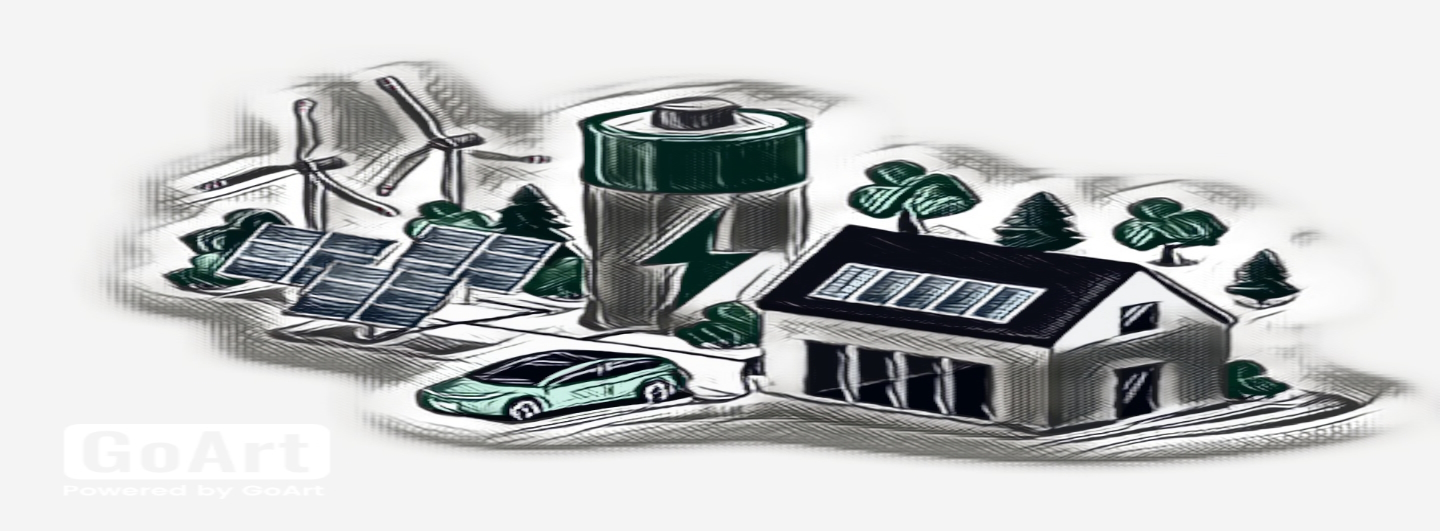
Solar energy is a clean and renewable source of energy that can help homeowners reduce their reliance on fossil fuels. However, solar panels only generate electricity when the sun is shining. This can be a problem if you want to use solar energy to power your home at night or during cloudy days.
Energy storage systems can help you store excess solar energy generated during the day and use it later when the sun is not shining. This can help you reduce your reliance on the grid and save money on your electricity bills.
There are a variety of energy storage systems available for residential PV solar systems. The most common type of energy storage system is a battery. Batteries store electricity in chemical form and can be used to power your home during periods of low solar generation.
Other types of energy storage systems include flywheels and compressed air energy storage (CAES). Flywheels store energy in the form of rotational kinetic energy, while CAES stores energy in the form of compressed air.
The type of energy storage system that is right for you will depend on your individual needs and budget. If you are looking for a system that is relatively inexpensive and easy to install, a battery may be the best option for you. If you are looking for a system that has a longer lifespan and can store more energy, a flywheel or CAES system may be a better choice.
Benefits of Energy Storage Systems
There are many benefits to installing an energy storage system for your residential PV solar system. Some of the benefits include:
- Reduced reliance on the grid: Energy storage systems can help you reduce your reliance on the grid by storing excess solar energy generated during the day and using it later when the sun is not shining. This can save you money on your electricity bills.
- Increased energy independence: Energy storage systems can help you increase your energy independence by allowing you to generate and store your own electricity. This can be a valuable asset during power outages or other disruptions to the grid.
- Improved power quality: Energy storage systems can help improve the power quality of your home by providing backup power during outages and smoothing out fluctuations in solar generation. This can protect your appliances and electronics from damage caused by power surges and brownouts.
- Increased home value: Energy storage systems can increase the value of your home by making it more attractive to buyers who are looking for a home that is energy efficient and sustainable.
Cost of Energy Storage Systems
The cost of energy storage systems varies depending on the type of system, the size of the system, and the installation costs. Batteries are the most common type of energy storage system and are relatively inexpensive to purchase. However, they also have a shorter lifespan than other types of energy storage systems. Flywheels and CAES systems are more expensive to purchase, but they have a longer lifespan and can store more energy.
The cost of installing an energy storage system will also vary depending on the size of the system and the complexity of the installation. In general, the cost of installing an energy storage system is less than the cost of installing a larger solar panel system.
Conclusion
Energy storage systems can be a valuable investment for homeowners who are looking to reduce their reliance on the grid, increase their energy independence, and improve the power quality of their home. The cost of energy storage systems has been declining in recent years, making them more affordable than ever before. If you are considering installing a solar panel system, you should also consider adding an energy storage system to your home.